.jpg)
So, you’ve finished college, polished your LinkedIn profile, and created a shiny resume. Great! But here’s the catch: when you walk into your first job interview, you’re not just competing with people who have the same degree—you’re competing on something even more important: soft skills.
Think of soft skills as the seasoning in your favorite dish. Without them, even the fanciest recipe (your degree) can taste a little… bland. Employers know it too. That’s why they look beyond your grades and certifications to see how you’ll actually survive in the workplace jungle.
Here are the top soft skills employers secretly (well, not so secretly) hope you have as a fresher:
You could be the next Einstein, but if you can’t explain your idea without confusing everyone, you’re in trouble. Employers want people who can write clear emails, speak confidently in meetings, and not turn a simple “Hello” into a TED Talk.
Pro Tip: Practice explaining things to your grandma. If she gets it, your boss will too.
Remember those group projects in college where one person did all the work, and the rest just added their names? Employers don’t want that. They want team players who can contribute, compromise, and survive the chaos of group WhatsApp chats.
Pro Tip: Stop ghosting group work—your future teammates will thank you.
In every job, problems pop up like ads on free streaming apps. Employers need freshers who don’t just panic but can think logically and say, “Okay, let’s fix this.”
Pro Tip: Next time your Wi-Fi crashes before an online test, treat it as problem-solving practice.
New boss, new software, new rules—welcome to the workplace. Employers love freshers who can adapt without whining, “But in college we never did it this way!”
Pro Tip: If you can survive surprise exams, you can survive corporate surprises too.
Leadership isn’t just about being “the boss.” It’s about taking initiative, keeping people motivated, and occasionally reminding everyone of the deadline (without being hated for it).
Pro Tip: If you’ve ever organized a college trip, congratulations—you already have crisis-management experience.
At work, deadlines aren’t suggestions—they’re survival rules. Employers want freshers who don’t submit things “at 11:59 PM” energy.
Pro Tip: Start small—like being on time for that 9 AM online class (with your camera actually ON).
EQ is basically being smart about feelings—yours and others. In the workplace, this means not sending passive-aggressive emails or crying every time Excel crashes (we’ve all been there).
Pro Tip: Before reacting, ask yourself: “Would I say this if HR was standing behind me?”
Employers don’t want “yes-men” (or “yes-women”). They want graduates who can ask smart questions, challenge ideas politely, and not just agree because free pizza was offered.
Pro Tip: Next time you hear “Let’s make a 200-slide PPT,” be the one who asks, “But… do we really need 200 slides?”
Freshers bring fresh ideas. Creativity at work isn’t just about designing posters—it’s about finding better, smarter ways to get things done.
Pro Tip: If you’ve ever figured out how to finish a semester-long project the night before, you’re already innovative.
Show up on time, do what you say you’ll do, and don’t call in sick because your “Netflix crashed.” Employers love dependable people who act like professionals (not college roommates).
Pro Tip: If your alarm snooze button has more workout than you do, it’s time to fix that.
Your degree gets you an interview. Your soft skills get you the job—and keep it. So, work on your communication, teamwork, problem-solving, and all the rest. Don’t worry if you’re not perfect yet; even soft skills can be learned (without exams, thank goodness).
Remember: In the workplace, being smart is good, but being smart and easy to work with is unbeatable.

Starting your career journey as a fresher can fee...

Electronic City, one of Bangalore’s largest IT ...


Definition Belly dancing is a cotillion form tha...

Whitefield, Bangalore, has grown into a top desti...
.jpg)
Some of the popular professional courses after Cl...
.jpg)
Indore, known for its entrepreneurial spirit and ...
.jpg)
Discover how to interpret your Facebook Ads resul...


Ludhiana, known for its robust manufacturing and ...

.jpg)
Google Ads Services in Delhi for Clients We also...
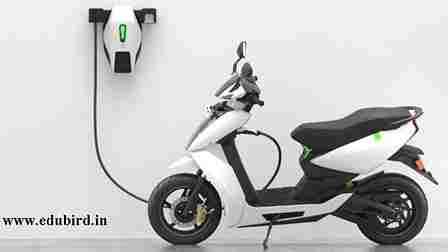
Electric vehicles are an important option for red...

CodingClave Technologies is looking for creative ...


Pulse Marketing is a fast-growing digital marketi...

Tech Innovations is seeking passionate Creative U...
.jpg)